Zoho said in a blog post on October 26 that from November 1, 2026, WhatsApp Business charges per delivered message across a whole conversation, including the replies a team or a bot sends after a template opens it.
What happened
In the Zoho Voice post, author Sairam Subbu lists the billable categories. Marketing templates are charged per message. Utility templates are charged per message, inside or outside the customer service window. Service messages, meaning free-form replies from an agent or an AI bot, are charged per message after 1,000 free per business number each month. Messages a customer sends are not billed. Zoho says service messages are priced at the utility rate in the recipient’s market with no volume tiers, so at high volume a service message can cost more than a utility template. Replies sent within the 72-hour window after a customer enters through a Click to WhatsApp ad or a Facebook page call to action stay free.
Why it matters
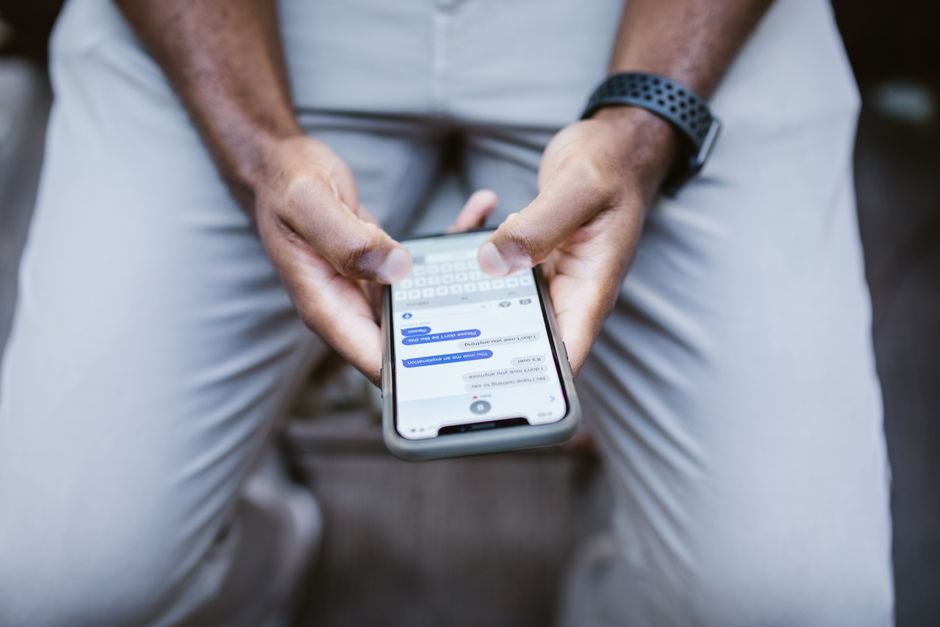
Sales teams that run follow-ups and order updates on WhatsApp now pay for conversational habits. Zoho’s example is an agent who sends “Hi”, then “Let me check”, then “One moment”, then the answer, which is four billable messages instead of one. The free allowance applies per phone number and does not carry over. Zoho says billing runs through the customer’s own Meta account with no markup. See also our recent reports on Zoho’s PHP statement and Microsoft’s contact center intelligence preview.
One original insight
In our reading, the useful audit for a sales engagement lead is the sequence design, since a cadence written for email can send three short WhatsApp messages where one would do. Pull a month of delivered service messages from WhatsApp Manager, subtract 1,000 per number, and divide the remainder by closed conversations to get a cost per conversation that can sit next to cost per email touch.